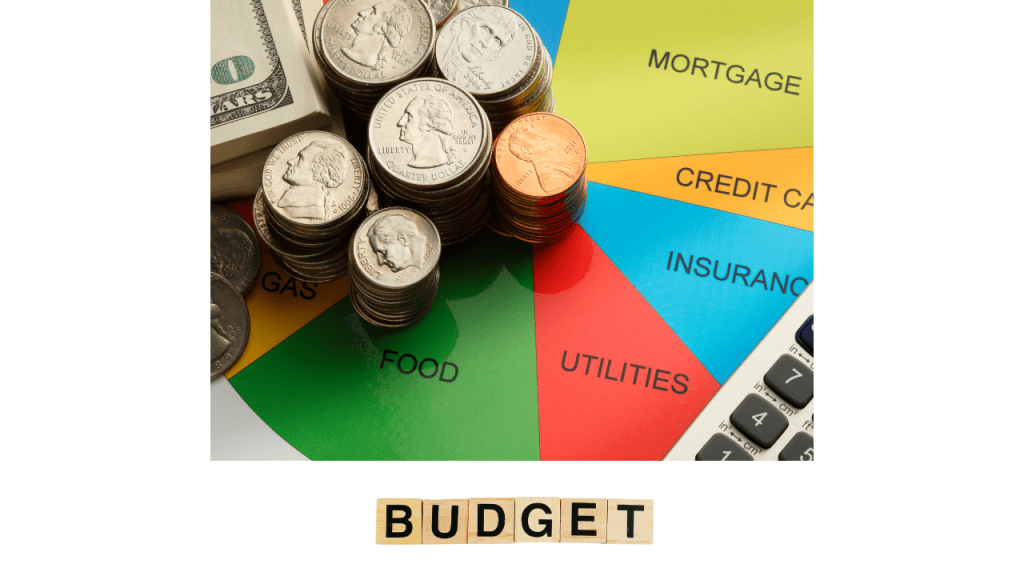
Honestly, this is entirely up to you.
But here’s a structured approach to help you decide how to distribute your leftover funds wisely:
1. Identify Categories and Prioritize:
• Short-Term Goals: These might include things like upcoming birthdays, holidays, or planned events within the next year.
• Long-Term Goals: Think about expenses or savings for future projects, larger purchases, or long-term investments.
• Weekly Expenses: This could include irregular but recurring expenses like vehicle maintenance, pet care, or seasonal expenses.
2. Assess Urgency and Amount Needed:
• For each category, estimate how much you’ll need and when you’ll need it. For upcoming events or known expenses, calculate the exact amount required and the timeframe for saving it.
• For long-term goals, determine if you have a specific target amount and deadline.
3. Distribute Funds Based on Priority:
• Allocate funds to categories with imminent needs first. For example, if a birthday is approaching and you need $200, prioritize that.
• Next, fund your long-term goals based on their urgency and importance.
• Lastly, allocate any remaining funds to weekly or less urgent expenses, or distribute them evenly among all categories if they are relatively equal in priority.
4. Adjust and Review:
• Regularly review your sinking funds to adjust for any changes in priority or unexpected expenses.
• As events or needs get closer, you might need to reallocate funds to ensure you’re fully prepared.
5. Keep Track:
• Use a budgeting tool or spreadsheet to track your allocations and ensure you’re staying on target with your goals.
By following this approach, you can ensure that your funds are allocated efficiently and you’re prepared for both immediate and future needs.
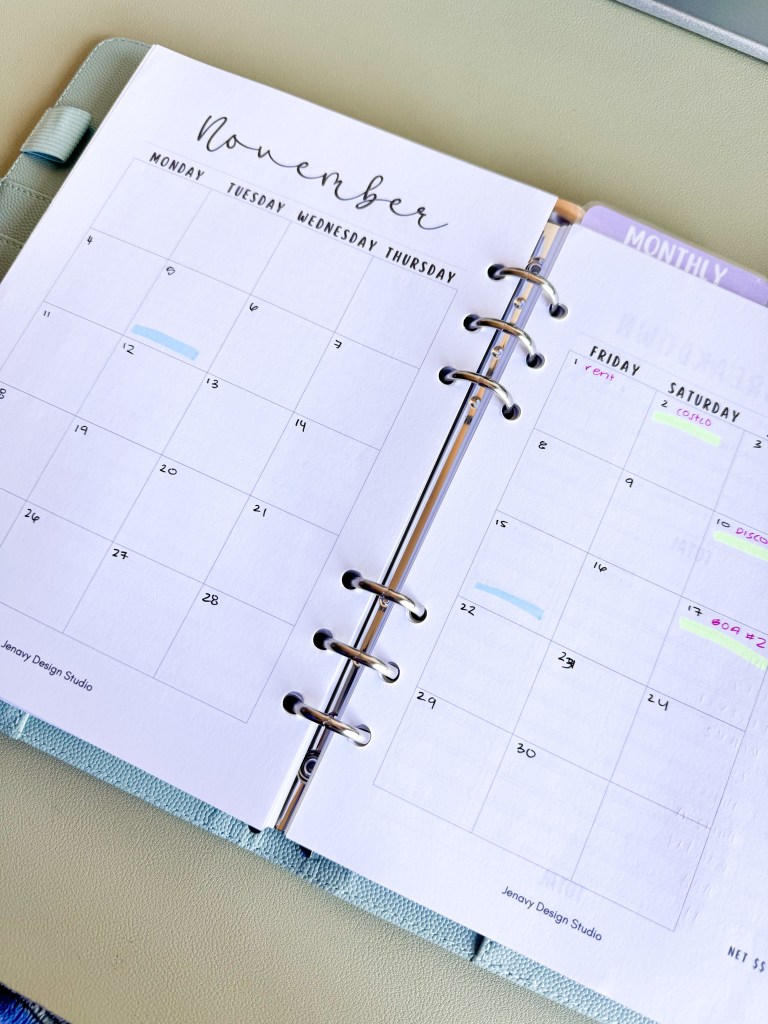
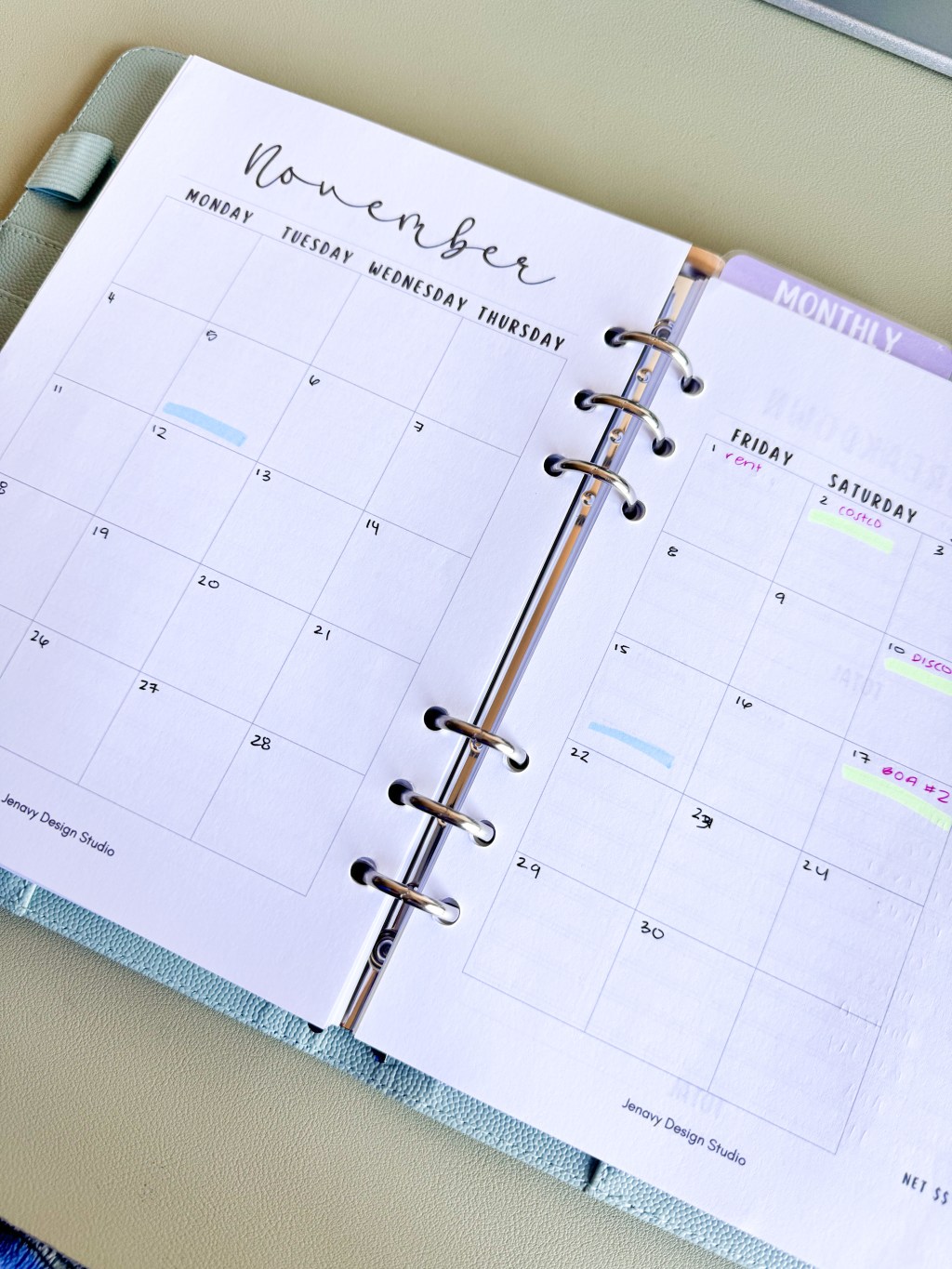
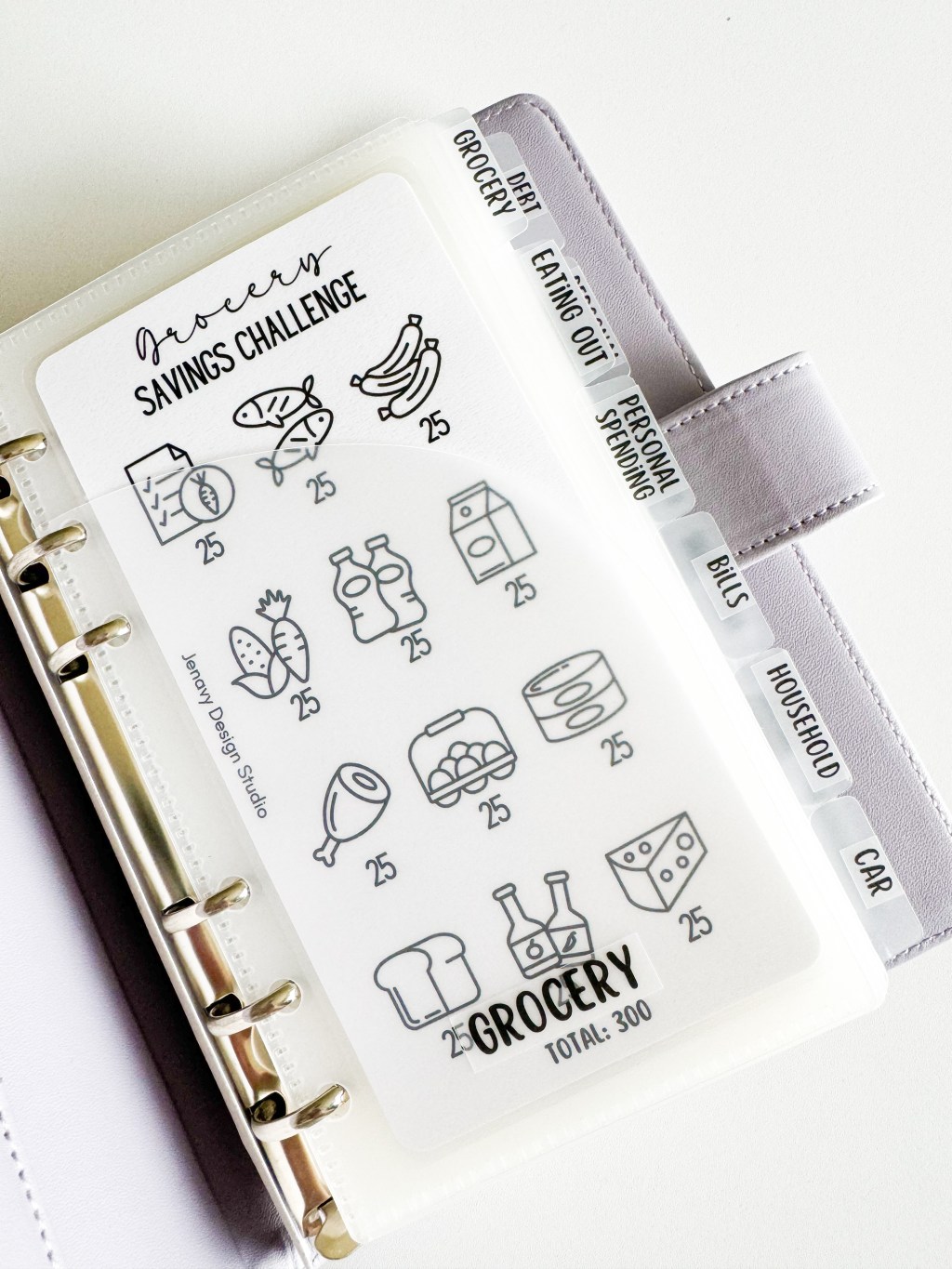
Recommended tools: Budget Planner
This is an excellent tool to record everything related to your finances and will be stored in one book where you can reference throughout the month. It takes time and trial and error to find the budget that fits your lifestyle and income. Therefore, using a budget planner is a great investment.





 jenavydesignstudio.blog
Leave a comment