
In a world that constantly tells us to buy more, do more, and have more — what happens if we intentionally choose less?
Minimalist budgeting isn’t about deprivation or restriction. It’s about clarity, intentionality, and aligning your money with your values. If you’re feeling overwhelmed by your finances or stuck in a cycle of mindless spending, this approach can help you reclaim both your money and your peace of mind.
What Is Minimalist Budgeting?
Minimalist budgeting is a money management style rooted in the principles of minimalism. Instead of tracking every penny or creating an overly complex spreadsheet, it’s about simplifying your spending, prioritizing what matters, and cutting out what doesn’t.
It’s not a one-size-fits-all strategy, but it is a mindset shift:
“Spend less, but on what brings more value to your life.”
1. Know What Matters Most
Start by identifying your priorities. Ask yourself:
- What do I truly value?
- What expenses bring me joy or help me grow?
- What am I spending money on that doesn’t align with my goals?
When you know what you value, budgeting becomes less about saying “no” and more about saying “yes” to the right things.
2. Cut the Noise (and the Clutter)
Review your monthly expenses. Cancel unused subscriptions, reduce impulse purchases, and eliminate “lifestyle creep.” You’d be surprised how much financial and mental clarity comes from cutting out the clutter — both physical and digital.
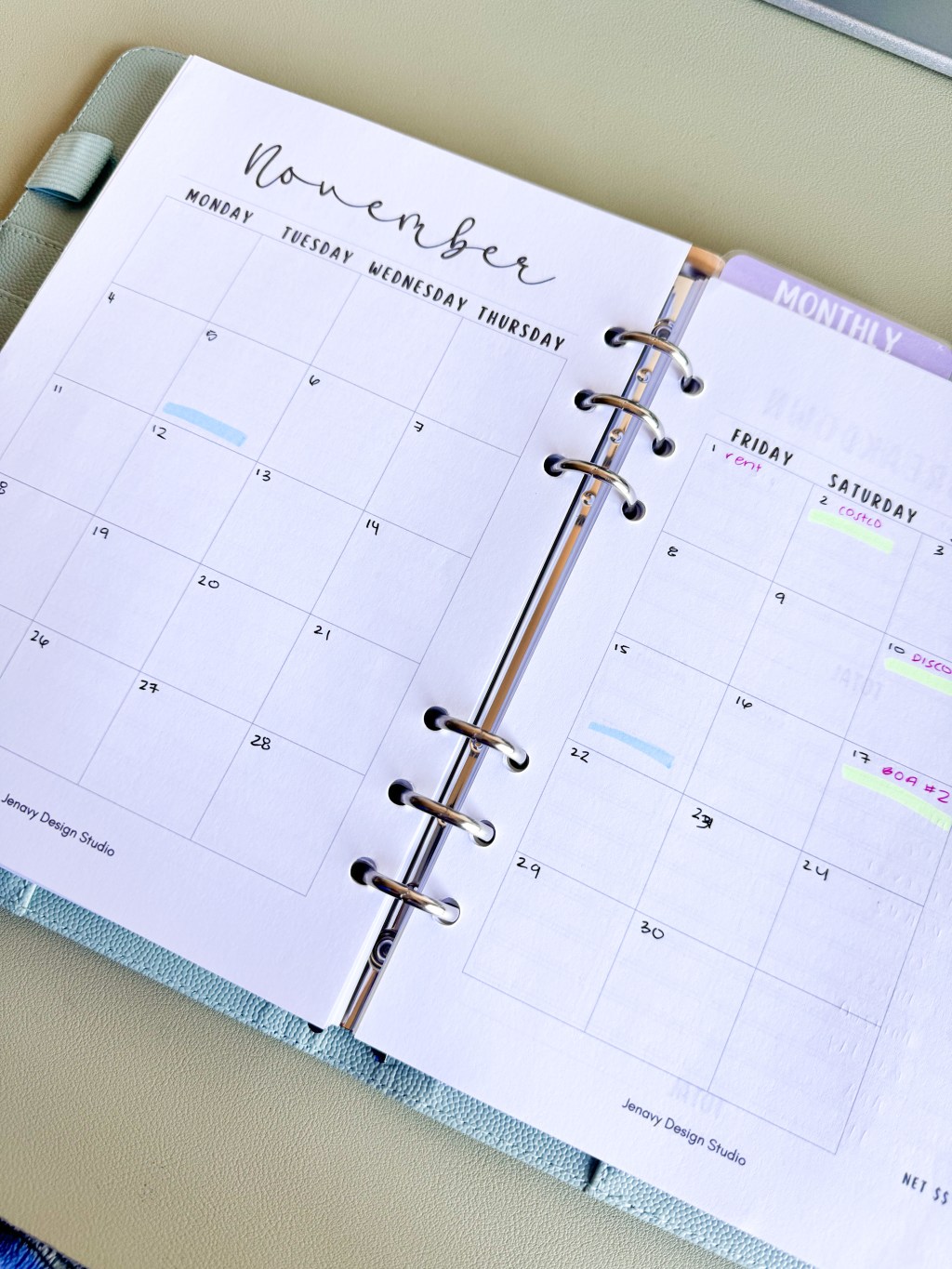
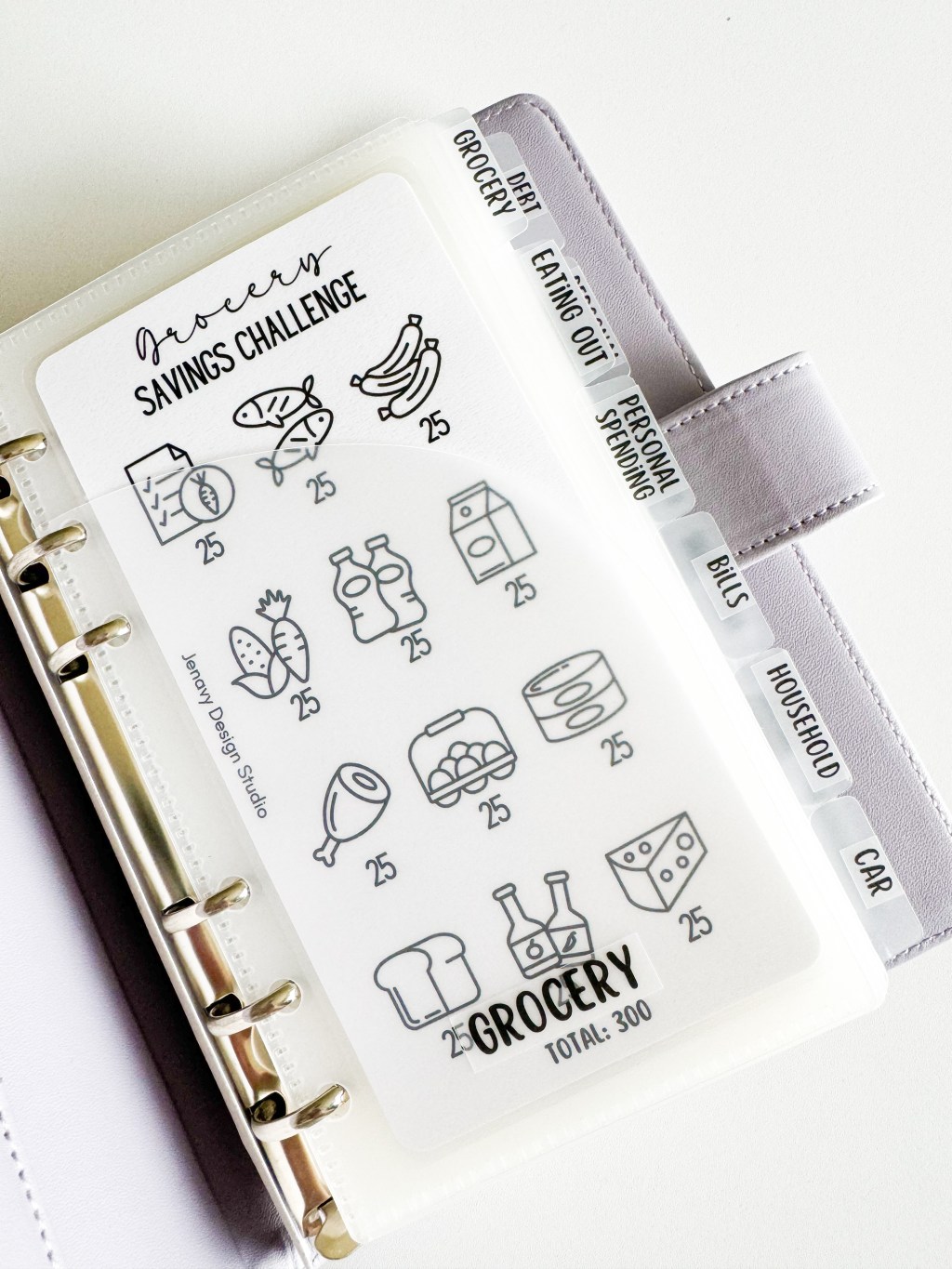
3. Simplify Your Budgeting Tools
You don’t need five apps, color-coded spreadsheets, and three notebooks. Try this basic format:
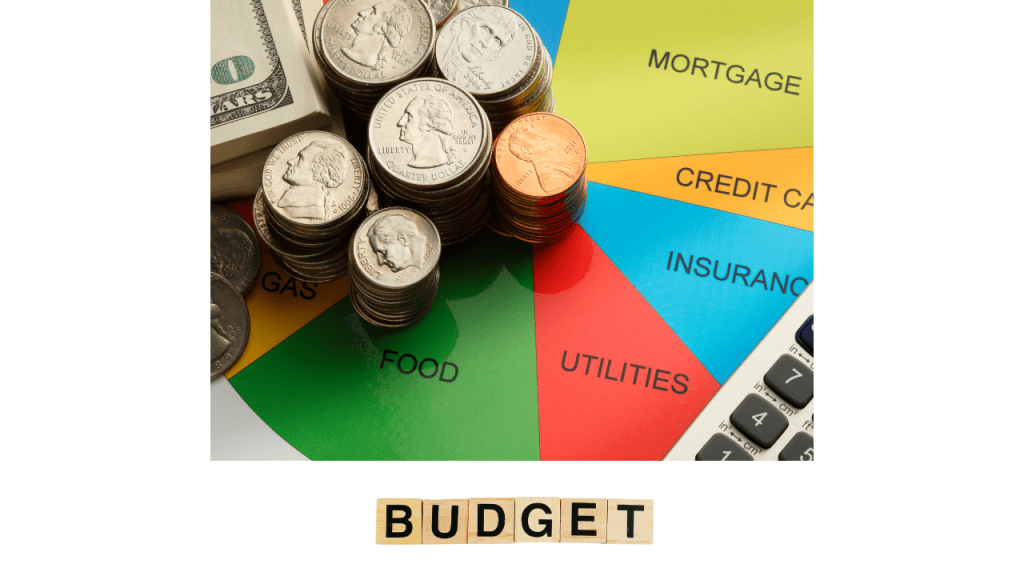
- Needs: Rent, food, utilities, transportation.
- Wants: Dining out, entertainment, shopping, Subscription
- Goals: Savings, debt payments, investments.
Set a fixed percentage or a fixed amount for each and stick to it. The simpler your system, the more likely you are to follow it.
4. Be Intentional With Every Dollar
Before you buy anything, pause and ask:
- Do I really need this?
- Will I still value it in a month?
- Is this aligned with my goals?
Minimalist budgeting is all about mindful spending. The goal isn’t to spend nothing — it’s to spend better.
5. Declutter Your Financial Life
This could include:
- Consolidating accounts
- Automating bill payments
- Unsubscribing from sales emails
- No mindless scrolling on social media where ads are everywhere
- Setting up a no-spend day/week/month
Less financial noise = more breathing room.
How Minimalist Budgeting Can Improve Your Life
- Less stress: Fewer bills and fewer purchases mean fewer things to worry about.
- More savings: You’ll be amazed at how much you can save just by cutting out the non-essentials.
- Increased clarity: You’ll have a better sense of where your money goes and why.
- Greater freedom: Money becomes a tool, not a trap.
Final Thoughts
Minimalist budgeting isn’t about being frugal for the sake of it — it’s about creating space in your life (and your bank account) for what truly matters. When you let go of unnecessary spending, you gain time, peace, and the freedom to live more intentionally.
Spend less. Live more. It’s really that simple.


 jenavydesignstudio.blog
Leave a comment